What Is Paint Correction? Everything You Need to Know Before Polishing Your Vehicle
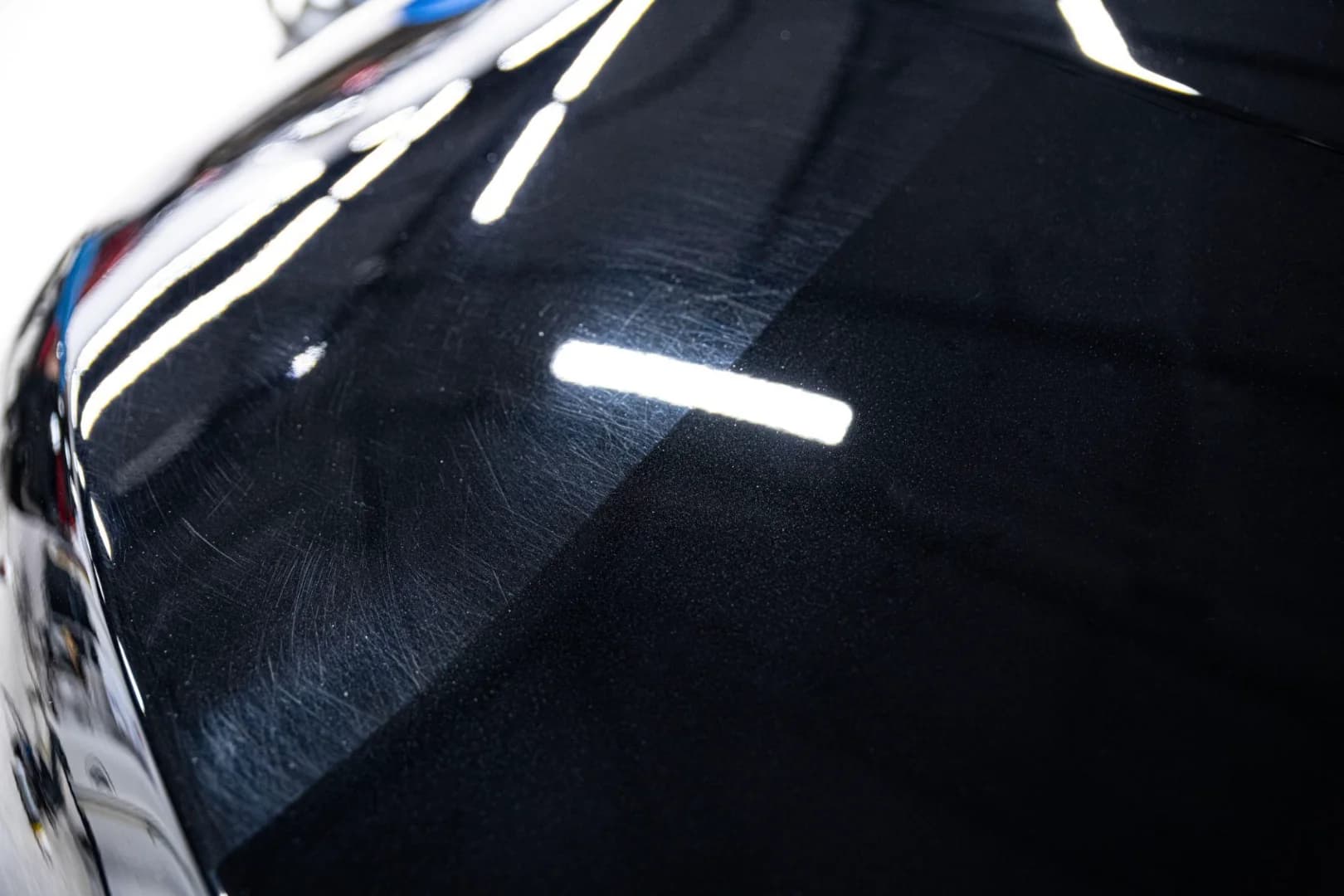
Paint correction removes swirl marks, oxidation, water spots, and light scratches to restore your vehicle's gloss and clarity. Learn how the process works, why it matters, and how to choose the right level of paint correction.
What Is Paint Correction? Everything You Need to Know Before Polishing Your Vehicle
If your vehicle's paint has lost its shine, looks dull, or is covered in swirl marks and light scratches, paint correction is one of the best ways to restore its appearance. Unlike waxing or ceramic coating, paint correction actually removes imperfections from the paint instead of simply covering them up.
At Hansman Mobile Detailing, we use professional polishing techniques and high-quality compounds to safely restore your vehicle's finish while maximizing gloss and clarity.
What Is Paint Correction?
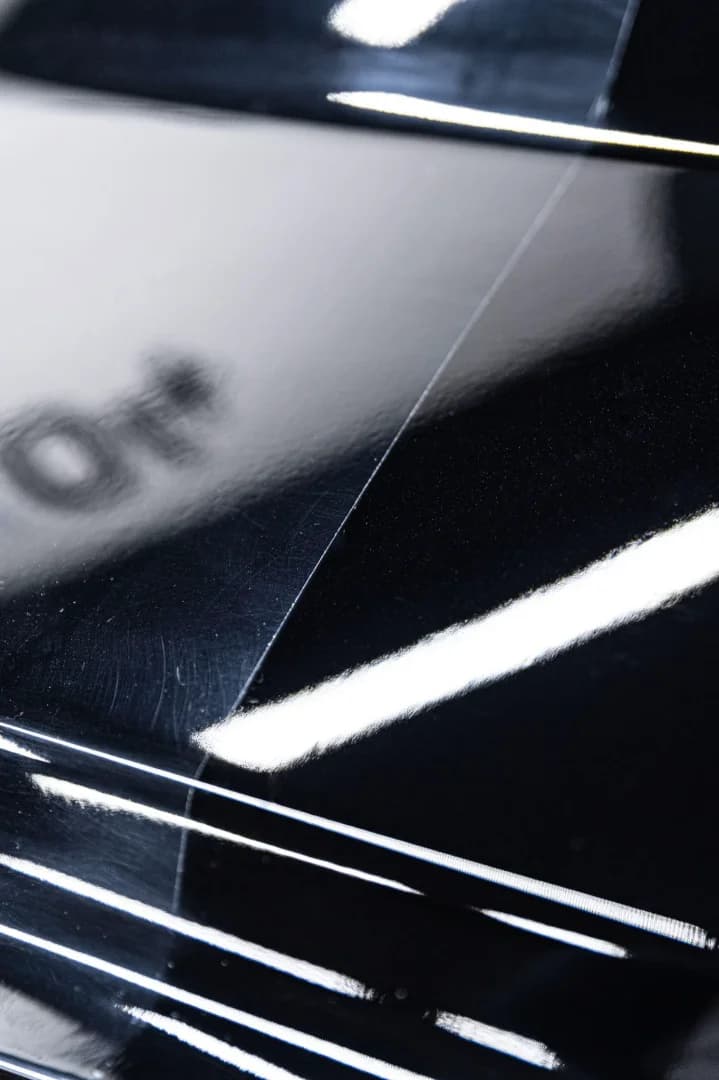
Paint correction is the process of machine polishing your vehicle's clear coat to remove imperfections. By carefully leveling a very small amount of the clear coat, defects such as swirl marks, oxidation, water spots, and light scratches can be significantly reduced or completely removed.
The goal is to restore the paint to a deep, glossy finish while preserving as much of the clear coat as possible.
Common Paint Defects
Over time, every vehicle develops imperfections from normal use. Some of the most common issues we correct include:
Swirl marks
Light scratches
Oxidation
Water spot etching
Bird dropping stains
Holograms from improper polishing
Dull or faded paint
Light scuff marks
Many of these defects are caused by automatic car washes, dirty wash mitts, improper drying techniques, and years of exposure to the elements.
What Paint Correction Cannot Fix
While paint correction can dramatically improve your vehicle's appearance, there are some defects that polishing alone cannot remove.
These include:
Deep scratches that reach the primer
Rock chips
Peeling clear coat
Paint that has completely failed
Rust damage
Dents
These issues typically require touch-up paint, repainting, or bodywork.
One-Step Paint Correction
A one-step paint correction is designed to remove light imperfections while significantly improving gloss.
This service is ideal for vehicles with:
Light swirl marks
Minor oxidation
Slight dullness
Daily driver wear
Most one-step corrections remove approximately 50–70% of paint defects while greatly improving the overall appearance.
Two-Step Paint Correction
A two-step correction provides a much more dramatic transformation.
The process involves:
A cutting compound to remove heavier defects.
A finishing polish to refine the paint and maximize gloss.
A two-step correction is recommended for vehicles with:
Moderate swirl marks
Heavier scratches
Oxidation
Noticeable wash damage
Older paint
Most vehicles see 80–95% defect removal, depending on the condition of the paint.
Three-Step Paint Correction
For heavily neglected vehicles or show cars, a three-step correction delivers the highest level of refinement.
This process typically includes:
Heavy cutting stage
Intermediate polishing stage
Ultra-fine finishing polish
A three-step correction produces maximum gloss and clarity while minimizing defects as much as safely possible.
Why Preparation Is Important
Professional paint correction starts long before the polishing machine touches the paint.
Every vehicle should receive:
Thorough hand wash
Chemical decontamination
Clay bar treatment
Complete inspection
Paint thickness evaluation when necessary
Proper masking of trim and delicate areas
This preparation helps achieve better polishing results while protecting your vehicle throughout the process.
Why Machine Polishing Is Better Than Hand Polishing
While hand polishing can improve gloss slightly, it doesn't generate enough consistent pressure or speed to remove most paint defects.
Professional machine polishers allow us to safely remove imperfections while creating a more consistent finish across the entire vehicle.
This results in:
Better clarity
More defect removal
Higher gloss
More uniform finish
Should You Ceramic Coat After Paint Correction?
Absolutely.
Paint correction restores the finish, while ceramic coating helps preserve those results.
Applying a ceramic coating immediately after polishing helps:
Protect the corrected paint
Keep the vehicle cleaner
Make washing easier
Reduce future swirl marks from improper maintenance
Maintain gloss for years
This combination provides the best long-term results.
How Long Does Paint Correction Take?
The amount of time depends on the size of the vehicle and its condition.
Typical timeframes include:
One-Step Correction: 4–8 hours
Two-Step Correction: 8–16 hours
Three-Step Correction: 12–24+ hours
Larger trucks and SUVs may require additional time.
Is Paint Correction Worth It?
If you want your vehicle to look its absolute best, paint correction is one of the most effective services available.
Benefits include:
Restores gloss
Removes swirl marks
Eliminates oxidation
Improves paint clarity
Increases resale value
Prepares paint for ceramic coating
Gives your vehicle a like-new appearance
Many customers are amazed by how much younger their vehicle looks after professional paint correction.
Why Choose Hansman Mobile Detailing?
At Hansman Mobile Detailing, we take pride in restoring vehicle finishes with professional equipment, premium compounds, and attention to detail.
We carefully inspect every vehicle before polishing to recommend the level of correction that best fits your goals and your paint's condition.
Whether your vehicle needs a light polish or a full multi-stage correction, we'll help restore its shine while preserving the integrity of the paint.
Frequently Asked Questions
Does paint correction remove scratches?
Paint correction removes light scratches and swirl marks that are within the clear coat. Deep scratches that penetrate through the clear coat usually cannot be completely removed.
Is paint correction safe?
Yes. When performed correctly by a trained professional, paint correction safely removes a minimal amount of clear coat while significantly improving the paint's appearance.
Will swirl marks come back?
Paint correction permanently removes the defects it corrects. However, new swirl marks can develop over time if the vehicle is washed improperly. Using proper washing techniques and applying a ceramic coating can help keep your paint looking its best.
Should I get ceramic coating after paint correction?
Yes. Ceramic coating helps protect the freshly corrected paint and keeps it looking cleaner, glossier, and easier to maintain for years.
Restore Your Vehicle's Shine Today
If your vehicle has swirl marks, oxidation, scratches, or dull paint, professional paint correction can completely transform its appearance.
Hansman Mobile Detailing proudly serves Central Missouri with professional paint correction services designed to restore gloss, clarity, and depth while preparing your vehicle for long-lasting protection.
Contact us today for a free quote and let us bring your paint back to life.
Related Services
More Articles
How Often Should You Detail Your Vehicle? A Complete Maintenance Guide
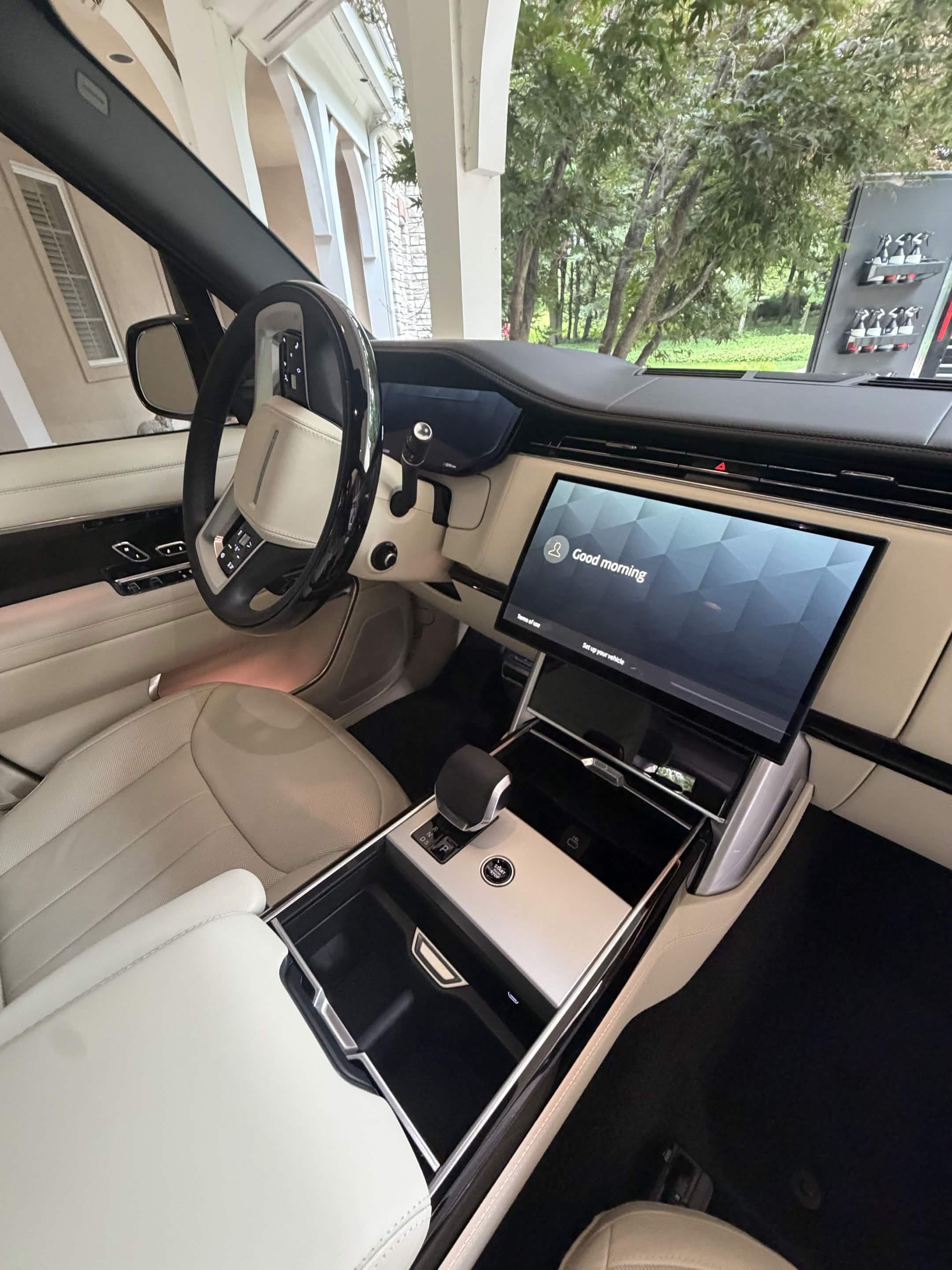
Regular detailing keeps your vehicle looking great while protecting its paint, interior, and resale value. Learn how often you should detail your car, truck, or SUV based on how you drive and where you live.
Why Ceramic Coating Is Worth It: Everything You Need to Know
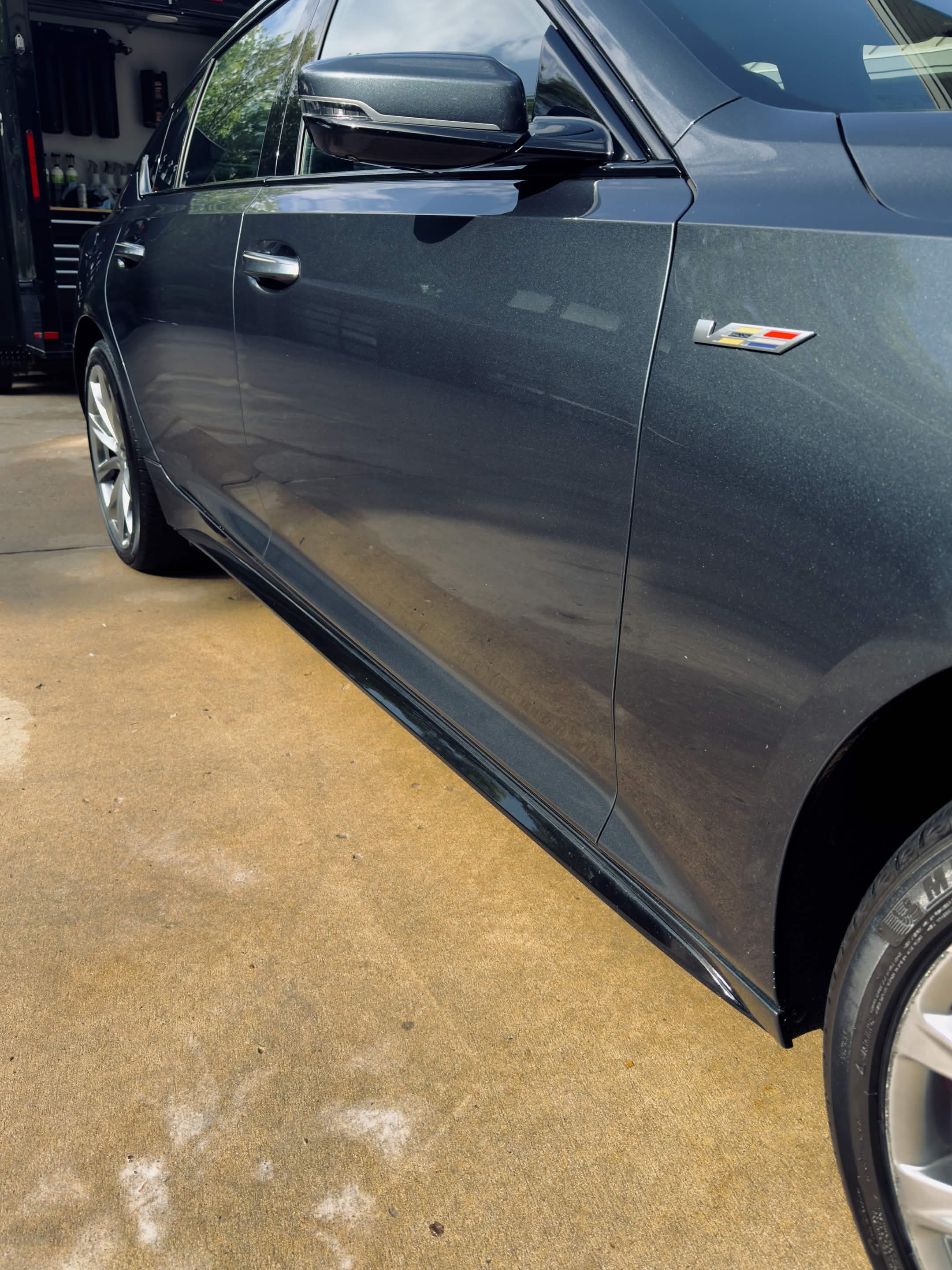
Ceramic coating is one of the best investments you can make to protect your vehicle's paint. Learn how ceramic coatings work, their benefits, how long they last, and why professional installation makes all the difference.